
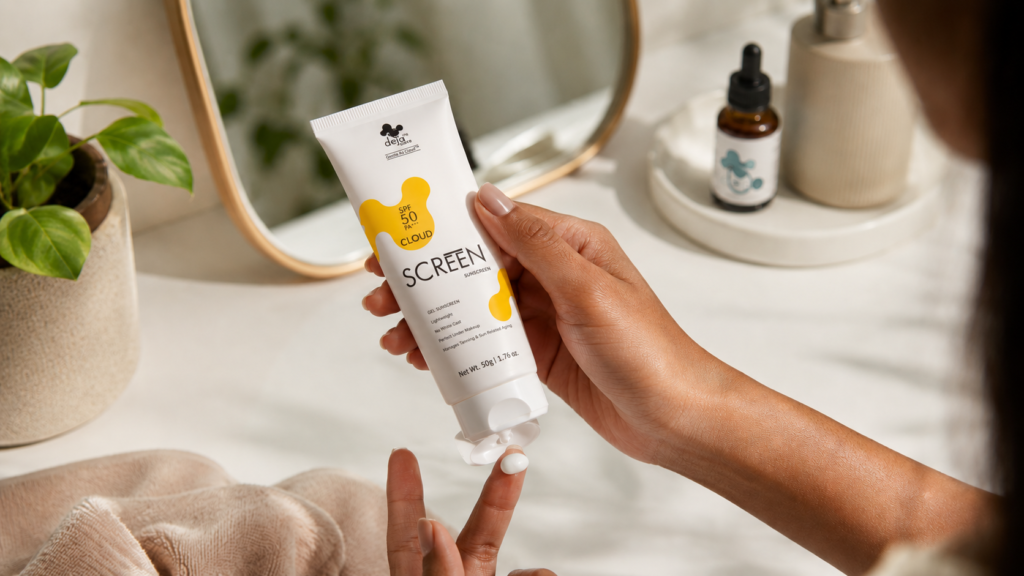

How to Apply Sunscreen Correctly — A Step-by-Step Guide
Most of us know we should wear sunscreen. Far fewer of us actually apply it the way it was tested to work. The result is a quiet, expensive gap between the SPF on the bottle and the SPF on your face — sometimes wide enough to cancel half the protection you’re paying for.
This is how to close that gap.
Why application matters more than the SPF number ?
In a lab, sunscreen is tested at 2 mg per square centimetre of skin. In real life, most people apply a quarter to a half of that. That under-application is the single biggest reason sunscreen “fails” in the real world — not the formula, not the brand, not the SPF rating.
Get the application right and an SPF 50 PA+++ does what it promises. Get it wrong and even the most expensive sunscreen on your shelf drops to street-level performance.
The step-by-step
Step 1 — Start with clean, dry skin
Cleanse, apply any serums or treatments first. Sunscreen is the last skincare step, not a moisturiser substitute. If you’re using actives like vitamin C or niacinamide in the morning, let them settle for a minute before layering sunscreen on top.
Step 2 — Use the two-finger rule
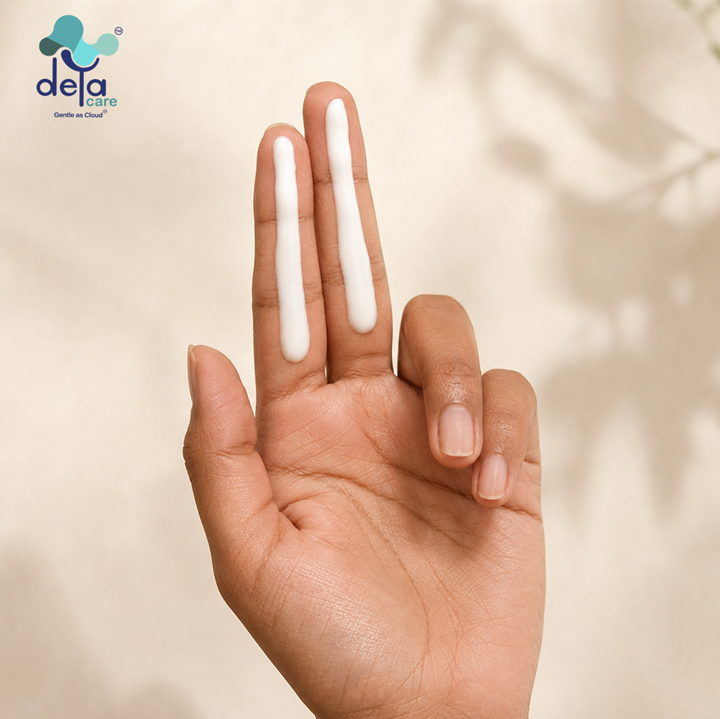
Squeeze two full strips of sunscreen along the length of your index and middle fingers. That’s the dermatologist-recommended amount for the face and neck combined.
If you’re using less than this, you’re getting less SPF than the bottle claims. There’s no workaround for the maths.
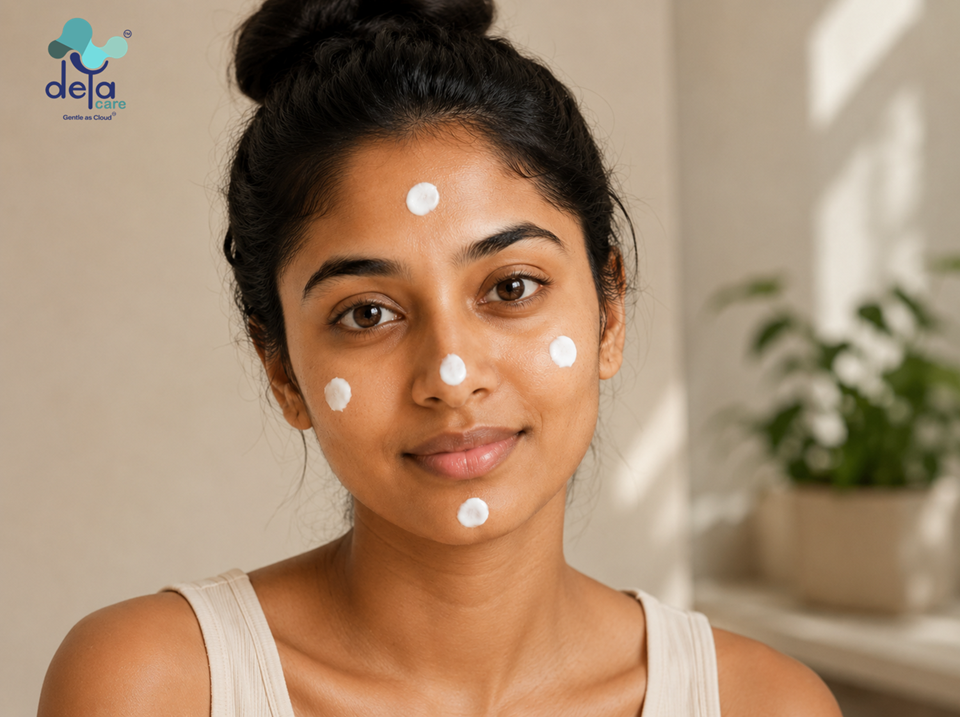
Step 3 — Dot, don’t smear
Don’t try to spread one big blob. Place dots across your forehead, both cheeks, nose, chin, and neck. This gives you even coverage before you start blending — which matters especially for matte and mineral formulas that “set” quickly.
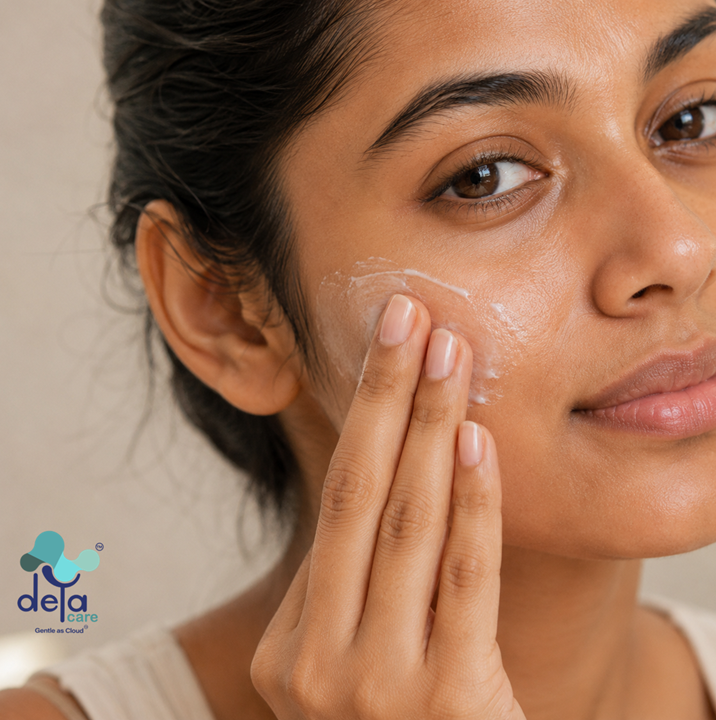
Step 4 — Pat and blend, don’t drag
Use your fingertips to gently pat the dots into your skin in upward strokes. For lightweight gel formulas you can blend more freely; for mineral or matte formulas, patting helps the filters lay flat and avoids any chance of a white cast.
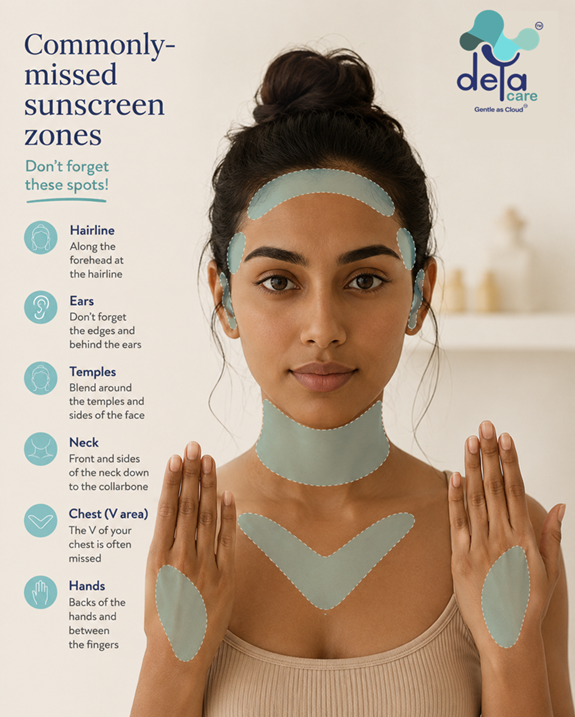
Step 5 — Cover the spots almost everyone misses
The most under-protected zones on most faces:
· The hairline and temples
· The tops and backs of the ears
· The neck, front and sides
· The chest, especially in V-necks
· The backs of the hands
· The eyelids and just under the eyes (use a sunscreen safe for the eye area)
These are also the spots where pigmentation, fine lines, and sun damage tend to show up first.
Step 6 — Wait 15 to 20 minutes before stepping out
Sunscreen needs time to bind to the skin and form its protective film. Apply it before you brush your teeth or pour your coffee — not as you’re rushing out the door.
Step 7 — Reapply every 2 to 3 hours
This is the step almost everyone skips. UV protection wears down through the day — heat, humidity, sweat, and casually touching your face all chip away at it. Reapply at lunch. Reapply after a workout. Reapply after swimming or towelling off.
Common mistakes that quietly cancel your SPF
· Mixing sunscreen into your moisturiser. Dilutes the formula and the protection.
· Using sunscreen left in a hot car. Heat degrades UV filters. Store it cool.
· Skipping cloudy or indoor days. UVA passes through clouds and glass. Cloud cover changes nothing.
· Relying on SPF in your foundation. You’d need to apply roughly seven times the normal amount of foundation to get the SPF on the label.
· Stopping at the jawline. Your neck and chest age too — and they show it first.
The right sunscreen makes the routine easier
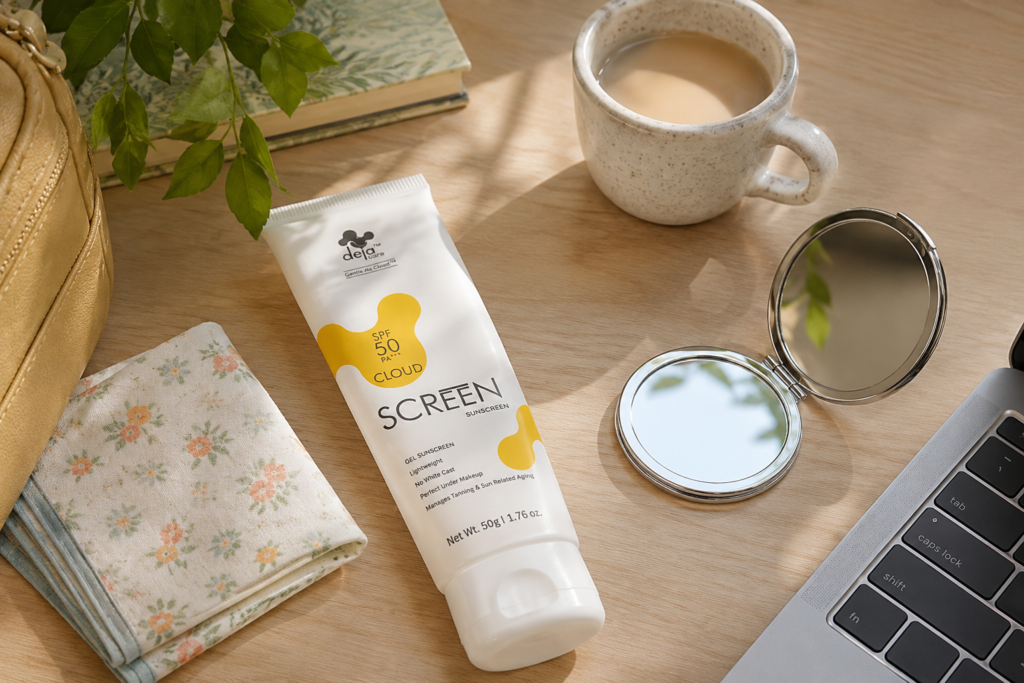
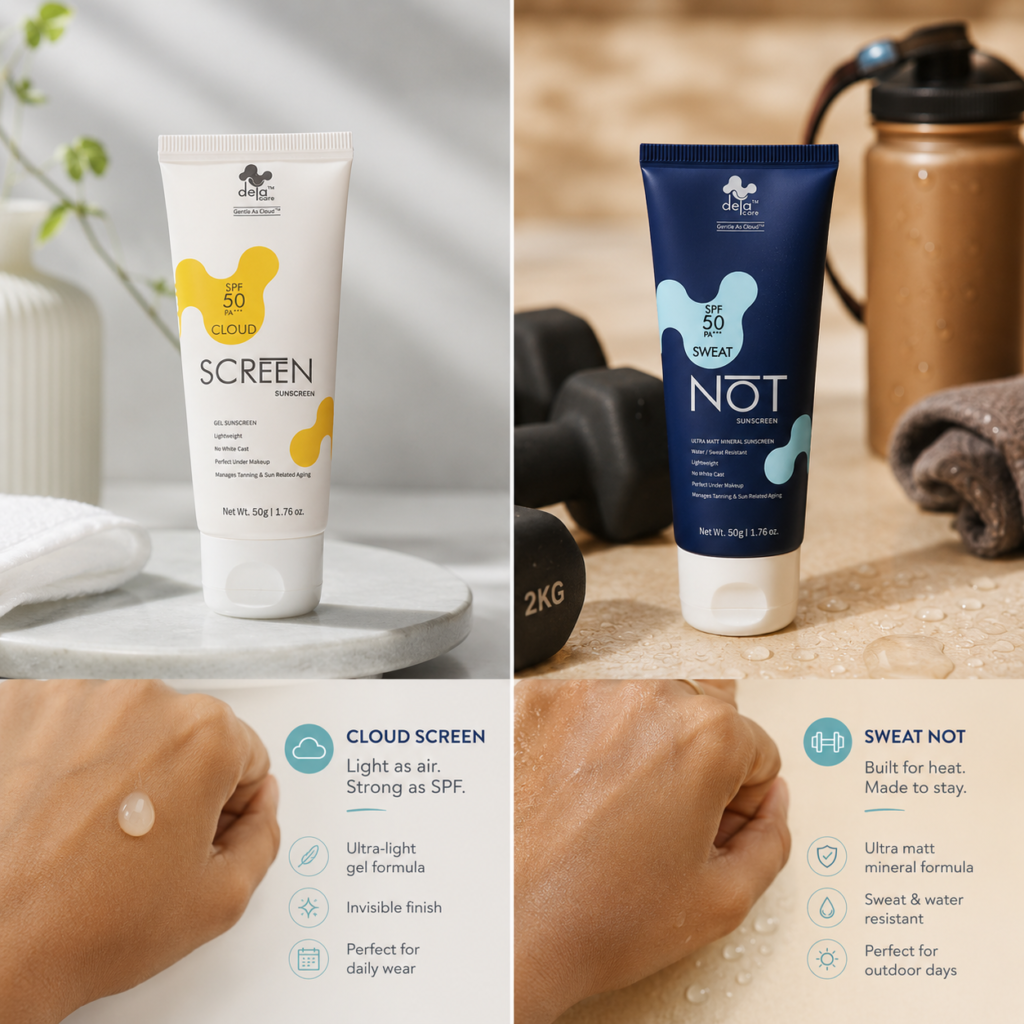
Application is a habit, and habits stick when the product is one you actually enjoy wearing. A sunscreen that’s heavy, white-casting, or slow to absorb won’t get applied generously enough — or reapplied at all. For a daily formula that disappears into your morning routine, Cloud Screen SPF 50 PA+++ Broad Spectrum is built around photostable Tinosorb filters with hydrating aloe and vitamin E — light, breathable, easy to layer under makeup, easy to reapply. For hot days, outdoor commutes, oily skin, or anything involving sweat, Sweat NOT SPF 50 PA+++ gives you a matte, sweat-resistant finish that holds up through a real Indian day.
The bottom line
Most sunscreen “failures” are application failures. Use enough. Apply it early. Cover the spots people forget. And reapply through the day, not just at sunrise. That’s the entire trick — and it’s the difference between a sunscreen that genuinely protects you and one that just sits politely in your routine.

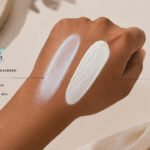
This is the kind of sunscreen advice people actually need- Practical, Clear and not overloaded with skincare jargon.